5 Signs It Is Time to Replace or Refit Your Dental Crown
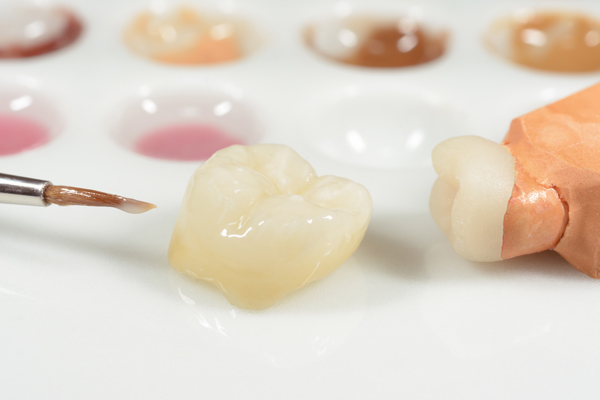
A dental crown is a common restoration that provides essential protection and structural support for damaged or weakened teeth. Over time, even the most durable dental crown can experience wear, misalignment, or develop issues that compromise your oral function and health. Here are five signs that indicate it is time to replace or refit a dental crown, allowing you to maintain your everyday function and overall oral hygiene.
1. Constant tooth sensitivity
One of the most noticeable signs that a dental crown may require attention is persistent tooth sensitivity. Sensitivity to hot, cold, or sweet foods and beverages can indicate that the crown is not properly sealed or that decay is forming underneath the restoration. This sensitivity may also arise if the crown has shifted or if the underlying tooth has undergone changes that affect its nerve response. Addressing sensitivity early can prevent more serious dental complications in the future.
2. Visible damage or wear
Dental crowns can withstand daily use, but chips, cracks, or visible wear can occur over time. Damage to the crown can compromise the protection it provides to the underlying tooth, increasing the risk of infection or structural failure. Even minor cracks can trap bacteria and lead to decay beneath the crown.
3. Pain when chewing
A properly fitted dental crown should restore normal biting and chewing function. However, discomfort or pain during chewing may indicate that the crown has loosened, shifted, or no longer aligns correctly with the surrounding teeth. This misalignment can place undue pressure on adjacent teeth, leading to jaw strain or further dental issues. A professional evaluation can determine whether the person needs their crown refit or a full replacement.
4. Gum irritation or recession
Changes in the gum tissue surrounding a dental crown can signal the need for professional intervention. Swelling, redness, or bleeding may indicate irritation caused by an ill-fitting crown. Gum recession can expose the edges of the crown and the underlying tooth, making the area more susceptible to decay or infection. Patients with crowns should monitor their gum health around the restoration to maintain their long-term oral stability.
5. Persistent bad breath or unpleasant taste
An unpleasant taste or persistent bad breath around a dental crown can point to trapped food particles or bacterial buildup beneath a damaged or loose crown. This condition can lead to decay or infection if left untreated. Fortunately, maintaining a clean, properly fitted crown helps prevent these issues and promotes overall oral hygiene.
Schedule an appointment to repair or replace your crown
Dental crowns are essential in protecting and restoring your teeth. However, like natural teeth, they are not immune to damage or wear. The signs mentioned above indicate that your crown may require replacement or refitting. Paying attention to these symptoms helps you preserve your oral health and prevents more serious dental issues in the future. Call our office today to learn more or to schedule an appointment to repair or replace your crown.
Request an appointment here: https://www.sandhilldentalnj.com or call Sand Hill Dental, LLC at (908) 968-9075 for an appointment in our Flemington office.
Check out what others are saying about our dental services on Yelp: Dental Crowns and Dental Bridges in Flemington, NJ.
Related Posts
A porcelain crown is a versatile dental restoration that protects and preserves damaged, weakened, or decayed natural teeth. By encasing the visible portion of a tooth, a porcelain crown restores its function, strength, and appearance. This treatment effectively saves a natural tooth from further damage, ensuring long-term oral health and maintaining the aesthetics of your…
Full mouth reconstruction restores comfort, function, and appearance when multiple dental concerns affect the bite, teeth, and gums simultaneously. This treatment plan requires a clear strategy to reduce uncertainty and create a direct path toward a stable, resilient smile. To address uncertainty, we have compiled answers to the five most frequently asked questions we receive…
A tooth extraction is rarely the first choice for a dental professional because keeping a natural tooth in place provides the best long-term foundation for oral health and comfort. However, there are occasions, such as recurring infections, severe decay, or fractures, that necessitate the procedure. While the general dentist will take every measure to save…
Implant-supported dentures are an excellent choice for patients who want a durable and easy option for replacing lost teeth. This restoration allows patients to enjoy their favorite meals once again and go about their regular activities with the denture securely in place. There is no need to worry about the dentures slipping or coming loose…